Synthesis of Digital Learning and Leadership EDLD-5320
EDLD 5320 serves as the culminating course in the Applied Digital Learning (ADL) program, providing an opportunity to synthesize the knowledge, skills, and experiences gained throughout the journey as a digital learner and leader. In this course, I reflect on the impact of the COVA framework, the development of my innovation plan, and my growth as an educator and change agent. This page highlights my learning journey, leadership development, and commitment to creating significant learning environments that empower students through choice, ownership, voice, and authentic learning experiences.

From Compliance to Ownership: My COVA Journey and Leadership Transformation
Introduction
When I began the Applied Digital Learning (ADL) program at Lamar University, I believed I had a solid understanding of teaching, learning, and leadership. As a special education teacher, I had spent years designing lessons, supporting diverse learners, and seeking ways to improve student outcomes. However, the ADL program challenged me to think differently about what it means to learn, lead, and create meaningful change. Through the Choice, Ownership, Voice, and Authentic Learning (COVA) framework and the development of Creating Significant Learning Environments (CSLE), I experienced a transformation that extended far beyond coursework. I learned to take ownership of my learning, embrace my voice as a leader, and develop solutions to authentic problems within my organization.
This reflection captures my journey through the ADL program, the evolution of my innovation plan, and the ways COVA and CSLE have influenced my leadership philosophy and future practice. More importantly, it reflects how becoming a learner again has changed the way I view my students, my colleagues, and my responsibility as an educational leader.
Discovering Choice, Ownership, and Voice
One of the first times I genuinely realized I had choice, ownership, and voice was during the development of my innovation plan. Like many educators, I entered the program expecting detailed directions, prescribed assignments, and clear examples of what success should look like. Instead, I was asked to identify a problem that mattered to me, create a vision for change, and develop solutions that could make a meaningful impact within my organization.
My initial reaction was uncertainty. I wanted a checklist. I wanted reassurance that I was doing things correctly. I was accustomed to educational environments where the instructor determined the destination and students followed a predetermined path. The freedom associated with the COVA approach was both exciting and uncomfortable. Looking back, I realize that years of traditional educational experiences had conditioned me to seek compliance rather than ownership.
As I continued through the program, I gradually shifted my mindset. Rather than asking what the professor wanted, I began asking what my students needed. Rather than viewing assignments as tasks to complete, I began viewing them as opportunities to build something meaningful. This shift marked the beginning of my transition from a compliant learner to a self-directed learner.
Harapnuik, Thibodeaux, and Cummings (2018) explain that learners become more engaged when they are given authentic opportunities to make choices, take ownership, and use their voice. Experiencing COVA firsthand helped me understand why these principles are so powerful. The work mattered because it belonged to me.
From Learner to Change Agent
One of the most significant lessons I learned throughout the ADL program was that ownership requires responsibility. Initially, I struggled with the level of independence expected of me. There was no single right answer, no perfect template, and no guarantee that my ideas would work exactly as planned. Instead, I was expected to think critically, reflect continuously, and refine my ideas based on feedback and experience.
Over time, I learned to embrace this process. I became more comfortable with ambiguity and more confident in my ability to develop solutions to authentic problems. I stopped focusing solely on grades and began focusing on impact. This shift fundamentally changed how I approached both my coursework and my professional practice.
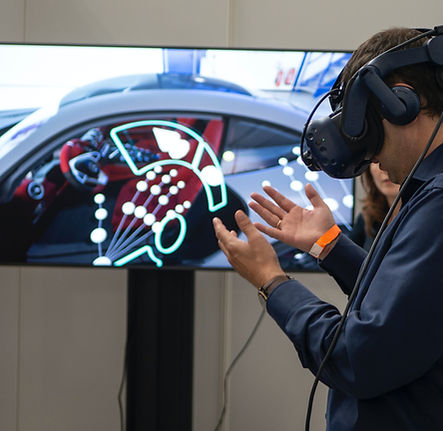
My innovation plan became the centerpiece of this transformation. What began as an assignment evolved into a vision for improving educational experiences for students receiving special education services through virtual reality (VR). Throughout the program, I continued refining and expanding this vision through various artifacts and learning experiences.
Building an Authentic Innovation Plan
My innovation plan focused on expanding the use of virtual reality learning experiences to provide students receiving special education services with greater access to authentic, immersive learning opportunities. As a special education teacher, I have witnessed how limited background knowledge and limited access to experiences can create barriers to learning. Students are often asked to understand concepts, places, careers, and events they have never experienced firsthand.
Virtual reality offers a potential solution by creating immersive experiences that bring learning to life. Through VR, students can explore historical landmarks, investigate ecosystems, experience career pathways, and engage with content in ways that traditional instruction cannot always provide.
What made this innovation plan authentic was that it addressed a genuine problem within my educational setting. I was not creating a project simply to satisfy course requirements. I was developing a vision that could positively impact students. This authenticity fueled my motivation throughout the program and helped me see the value of every assignment as another step toward achieving a larger goal.
Connecting Coursework to Purpose
One of the greatest strengths of the ADL program was its ability to connect coursework to authentic practice. Rather than creating isolated assignments, I developed a collection of interconnected artifacts that supported my innovation plan.
In EDLD 5317, I published the article From Vision to Immersion: Using Virtual Reality to Expand Equity and Access in STEM and Special Education. This experience helped me articulate the rationale behind my innovation plan and communicate its potential impact to a broader audience.
In EDLD 5389, I developed a Professional Learning Plan designed to support educators in implementing innovative instructional practices. This project helped me recognize that meaningful change requires ongoing support, collaboration, and professional growth.
In EDLD 5315, I designed an action research study focused on exploring how virtual reality learning experiences impact the ability of students receiving special education services to describe real-world connections to academic content. This project reinforced the importance of measuring innovation rather than simply implementing it.
Each artifact contributed to a larger vision and strengthened my understanding of how innovation, professional learning, and research work together to create meaningful change.
Growing as a Leader
Perhaps the most transformative aspect of the ADL program was the way it expanded my understanding of leadership. Prior to entering the program, I viewed leadership primarily through the lens of positions and responsibilities. Today, I view leadership as influence, service, and the ability to create conditions that support growth and innovation.
The ADL program helped me become a more reflective and intentional leader. I learned that successful change initiatives require more than enthusiasm and good ideas. They require communication, collaboration, trust, and stakeholder buy-in. Through my innovation plan, professional learning initiatives, and action research, I gained a deeper understanding of how change occurs within organizations.
I also became more aware of the importance of empathy in leadership. Becoming a learner again reminded me how challenging learning can be. I experienced uncertainty, frustration, growth, and success. These experiences strengthened my ability to understand the perspectives of both students and colleagues as they navigate new learning experiences.
Most importantly, I learned that leadership is not about having all the answers. It is about creating opportunities for others to learn, grow, and contribute.
How COVA and CSLE Align With My Philosophy
The COVA approach and Creating Significant Learning Environments align closely with my educational philosophy because both emphasize learner agency, authentic experiences, and meaningful engagement. Fink (2013) argues that significant learning occurs when learners are actively engaged in experiences that promote application, integration, and personal growth. My experiences throughout the ADL program confirmed this belief.
As an educator, I believe learning should be relevant, meaningful, and connected to the real world. Students learn best when they understand why learning matters and when they have opportunities to actively participate in the learning process. COVA provides a framework for empowering learners, while CSLE provides the structure necessary to support meaningful learning experiences.
My perspective on learning has evolved significantly throughout the program. Previously, I focused heavily on content delivery and instructional strategies. While those elements remain important, I now place greater emphasis on learner ownership, authentic experiences, and purposeful design. I recognize that meaningful learning occurs when students are given opportunities to create, reflect, collaborate, and connect learning to their own lives.
Applying COVA and CSLE in My Practice
Moving forward, I plan to intentionally apply the principles of COVA and CSLE within my classroom, professional learning initiatives, and leadership practices.
For students, this means creating opportunities for choice in learning pathways, products, and demonstrations of understanding. It means encouraging ownership through goal setting, self-reflection, and student-led learning experiences. It means amplifying student voice by providing opportunities for learners to share their perspectives, interests, and ideas. Most importantly, it means designing authentic learning experiences that connect academic content to real-world applications.
My virtual reality innovation plan provides an ideal opportunity to implement these principles. Students will have opportunities to explore immersive learning environments, reflect on their experiences, and make meaningful connections between academic content and real-world contexts.
For educators, I plan to apply COVA through professional learning opportunities that respect teacher expertise and encourage collaboration. Rather than relying solely on traditional professional development models, I hope to facilitate learning experiences that allow educators to pursue meaningful goals, share their voices, and take ownership of their growth.
Challenges and Opportunities
Implementing COVA and CSLE is not without challenges. Many students and educators are accustomed to traditional learning environments where the teacher controls most aspects of the learning process. Transitioning to learner-centered approaches requires a shift in mindset that may initially create discomfort.
Additionally, implementing innovative technologies such as virtual reality requires resources, training, and ongoing support. Resistance to change, limited funding, and competing priorities may create obstacles along the way.
However, my experiences throughout the ADL program have taught me that meaningful change is possible when leaders remain focused on purpose and committed to continuous improvement. By building relationships, providing support, celebrating successes, and maintaining a clear vision, I believe these challenges can be successfully addressed.
Conclusion
The Applied Digital Learning program transformed far more than my instructional practices. It transformed my understanding of learning, leadership, and change. Through the COVA framework and the creation of significant learning environments, I learned the value of ownership, authentic work, and purposeful innovation. I entered the program seeking new instructional strategies. I leave the program as a more reflective educator, a more intentional leader, and a stronger advocate for meaningful learning experiences.
Most importantly, I leave with a renewed commitment to empowering learners. My experiences throughout the ADL program have shown me that learning is most powerful when individuals are given the opportunity to choose, create, contribute, and grow. These lessons will continue to influence my work as an educator and leader long after this program concludes.
References
Fink, L. D. (2013). Creating significant learning experiences: An integrated approach to designing college courses (Rev. ed.). Jossey-Bass.
Harapnuik, D., & Thibodeaux, T. (2017). It's about the learning: How to free your mind from the status quo. Kindle Direct Publishing.
Harapnuik, D., Thibodeaux, T., & Cummings, C. (2018). COVA: Choice, ownership, and voice through authentic learning. Pressbooks. https://www.covaluecreations.com
Contribution to My Learning and the Learning Community
Self-Assessment Score: 98/100
Throughout this course, I consistently contributed to both my own learning and the learning of my classmates by actively participating in discussions, completing assignments on time, and applying course concepts to my professional practice. As I reflect on my journey through the Applied Digital Learning program, I recognize tremendous growth in my ability to think critically, lead innovation, and collaborate with others.
One of my greatest strengths throughout this course was connecting theory to authentic practice. Rather than viewing assignments as isolated tasks, I used each one to strengthen my innovation plan centered on implementing virtual reality experiences for elementary students receiving special education services. The feedback I received from my instructor and classmates helped refine my ideas, and I incorporated those suggestions into future assignments. Revising my work allowed me to strengthen both my thinking and my final products.
I completed the required readings, videos, and course activities and remained engaged in discussion forums throughout the course. I made a conscious effort to post early enough for classmates to respond and to contribute meaningful feedback that encouraged continued discussion. I also supported my ideas with research and APA citations whenever appropriate.
This course also reinforced the importance of being a self-directed learner. As I transition into my new role as an Assistant Principal, I find myself applying the principles of organizational change, collaboration, and innovation that I have developed throughout the ADL program. The confidence I have gained through this experience will help me lead instructional improvement while supporting teachers in creating meaningful learning experiences for students.
One area where I can continue to grow is expanding my collaboration beyond my immediate learning community. While I actively engaged with classmates and incorporated their feedback, I want to continue building a broader professional learning network that includes educators from other districts and instructional technology leaders. Doing so will expose me to new perspectives and innovative ideas that can strengthen my leadership.
Throughout this course, I consistently collaborated with members of my base group and classmates through discussion boards and peer feedback. Their encouragement, questions, and diverse perspectives challenged me to think more deeply about my innovation plan and leadership development. The collaborative nature of this program reminded me that meaningful learning happens through shared experiences and reflection.
Base Group Members:
-
Kayla Matlock
-
Chatana Battles
-
Diamond Rivers
-
Jakharyn Harrell
Overall, I believe a self-assessment score of 98/100 accurately reflects my contributions to my own learning and to the learning community. I demonstrated consistent engagement, completed all required work, revised assignments based on feedback, participated in collaborative discussions, and applied the knowledge gained to my professional practice. Most importantly, I leave this program not only with a master's degree but with the confidence, skills, and vision to lead meaningful change in education.
Applied Digital Learning Journey
My journey through the Applied Digital Learning program has transformed how I view teaching, learning, technology, innovation, and leadership. I entered the program wanting to strengthen my ability to integrate technology into instruction. I am completing the program with a deeper understanding that meaningful digital learning is not about simply introducing new tools. It requires purpose, intentional design, collaboration, research, reflection, and sustainable leadership.
This ePortfolio tells the story of that transformation. Each course page represents a different part of my development and includes the projects, reflections, research, and resources I created throughout the program. Together, these pages demonstrate how my learning evolved into one cohesive innovation plan focused on expanding authentic learning opportunities through virtual reality.
My Foundation as a Digital Learner
My journey began by examining my beliefs about teaching, learning, technology, and leadership. Through COVA- choice, ownership, voice, and authenticity, I learned to take greater responsibility for my learning and connect my coursework to authentic professional goals.
I reflected on my learning philosophy, leadership characteristics, digital identity, and the type of learning environments I want to create. This foundation helped me understand that technology should not be used simply because it is available. It should remove barriers, deepen learning, increase student ownership, and create experiences that may not otherwise be accessible.
Explore This Stage
Concepts of Educational Technology – EDLD 5302
Developing and Sharing My ePortfolio
Building my ePortfolio helped me organize my work, connect ideas across courses, and document my growth as an educator and leader. What initially felt like a course requirement became a meaningful space for reflection, communication, and professional learning.
I also explored educational technology tools in my special education classroom and evaluated how they supported accessibility, differentiation, engagement, and student ownership. Leadership simulations and collaboration challenged me to think beyond selecting digital tools and consider how educators can support others through technology implementation and change.
Explore This Stage
Applying Educational Technology: Portfolio – EDLD 5303
Creating My Innovation Plan
My central innovation plan focuses on using virtual reality to expand access to immersive science, career exploration, and real-world learning experiences. I selected this focus because students, especially those receiving special education services, do not always have equal access to field experiences, laboratories, career exploration, or other authentic learning opportunities.
Through my innovation planning work, I researched the educational value of virtual reality and developed a phased plan for implementation. I considered teacher development, curriculum alignment, accessibility, student engagement, funding, sustainability, and measurable outcomes.
This stage helped me move from having an interesting idea to creating a researched and actionable plan for meaningful instructional innovation.
Explore This Stage
Disruptive Innovation in Technology – EDLD 5305
Learning to Lead Organizational Change
Developing a strong innovation plan was only the beginning. I also needed to understand how to move the idea from proposal to sustainable practice.
This part of the program taught me to begin with a clear Why, identify the behaviors necessary for change, influence stakeholders, measure progress, establish accountability, and address resistance thoughtfully. Through the Influencer Model and the Four Disciplines of Execution, I developed strategies for helping campus leaders and educators champion, normalize, and sustain immersive learning.
I learned that leadership requires more than communicating expectations. Leaders must build trust, listen to concerns, create supportive structures, provide resources, and keep people connected to the purpose behind the work.
Explore This Stage
Leading Organizational Change – EDLD 5304
Creating Significant Learning Environments
The program challenged me to think beyond teaching strategies and individual technology tools. I learned to consider the entire learning environment, including culture, relationships, learner choice, authentic application, collaboration, assessment, and reflection.
Creating significant learning environments reinforced my belief that students should not be passive recipients of information. They should have meaningful opportunities to explore, create, communicate, solve problems, and connect learning to their lives.
This work helped ensure that my virtual reality initiative remained centered on learning rather than technology.
Explore This Stage
Creating Significant Learning Environments – EDLD 5313
Measuring the Impact of Innovation
Meaningful innovation must be evaluated rather than assumed to be successful. My assessment and action research work helped me identify how I could examine the influence of virtual reality on student engagement, reflection, and real-world connections.
I developed a qualitative approach that values student voice through reflections, interviews, drawings, observations, and learning artifacts. This process taught me to look beyond whether students enjoy a digital tool and examine whether it improves the quality of their learning experiences.
Assessment became a way to guide instruction, improve implementation, communicate results, and make informed decisions about the future of the innovation.
Explore This Stage
Assessing Digital Learning and Instruction – EDLD 5315
Communicating and Publishing My Ideas
Another important stage of my development involved learning how to communicate my research and innovation beyond my immediate classroom or campus.
I explored digital publication, professional writing, research-based communication, and the importance of contributing to broader educational conversations. My publication work allowed me to connect virtual reality with equity, access, STEM learning, and special education.
This experience strengthened my confidence in sharing my ideas publicly and positioning myself as an educator who can contribute to the development of innovative educational practices.
Explore This Stage
Digital Communication and Publication – EDLD 5317
Designing Authentic Digital Learning
Instructional design taught me to begin with meaningful outcomes rather than selecting activities or technology first. I learned to align learning goals, assessments, instructional activities, and digital resources through backward design.
This stage helped me consider what students and educators would need before, during, and after an immersive learning experience. Virtual reality alone does not create deep learning. Learners must be given opportunities to prepare, explore, collaborate, reflect, and demonstrate their understanding.
I also strengthened my ability to design online and blended learning experiences that are organized, accessible, engaging, and connected to authentic outcomes.
Explore This Stage
Instructional Design in Online Learning – EDLD 5318
Transforming Professional Learning
My professional learning coursework challenged traditional one-time, “sit-and-get” approaches to teacher development. I learned that meaningful professional learning should be ongoing, active, collaborative, content-specific, modeled effectively, and supported during implementation.
This understanding helped me design a professional learning approach in which teachers do more than hear about virtual reality. They have opportunities to design lessons, practice implementation, receive feedback, collaborate with colleagues, and revise their instruction.
These lessons will directly influence how I support teachers in my role as an Assistant Principal. Professional learning should not end when a training session ends. It should lead to visible changes in instructional practice and student learning.
Explore This Stage
Developing Effective Professional Learning – EDLD 5389
Synthesizing My ADL Journey
The final stage of the program required me to look across the entire journey and recognize how the individual pieces connect.
My innovation proposal established the vision. My research provided evidence. My organizational change work created a path for stakeholder support and implementation. Instructional design aligned the initiative with meaningful learning. Action research provided a process for measuring impact. Professional learning addressed teacher capacity and sustainability. My ePortfolio allowed me to organize, reflect upon, and communicate the entire experience.
Explore This Stage
Synthesis of Digital Learning and Leadership – EDLD 5320
My Learning Community
My growth was supported by professors, classmates, colleagues, students, and family members who encouraged me throughout this journey. Collaboration provided opportunities to exchange ideas, receive feedback, solve problems, and consider perspectives beyond my own.
Working with others also strengthened my understanding that learning and leadership are relational. Successful innovation cannot be developed or sustained in isolation. It requires people who are willing to communicate honestly, support one another, revise their thinking, and remain focused on a shared purpose.
What Worked
Connecting my coursework to one authentic innovation plan was one of the most effective parts of the program. Instead of completing unrelated assignments, I developed a connected body of work centered on increasing access to meaningful learning experiences.
Reflection, collaboration, research, feedback, revision, and real-world application also supported my growth. The ePortfolio helped me see how each course contributed to the development of my innovation and leadership identity.
What I Could Improve
One area I can continue improving is trusting my own voice and taking creative risks earlier in the learning process. At times, I focused heavily on determining exactly what was expected instead of confidently making my own design decisions.
I also want to continue strengthening the organization, accessibility, and visual consistency of my ePortfolio. Rather than allowing it to become a finished graduate school project, I want it to remain a living professional space that reflects my continued development.
Expanding my professional learning network is another important area for growth. I want to connect with more instructional leaders, special education educators, researchers, and digital learning professionals who can challenge my ideas and introduce me to new perspectives.
Lessons I Learned
The ADL program taught me that innovation must begin with an authentic need rather than a digital tool.
Technology is most meaningful when it removes barriers, deepens learning, and expands opportunities.
Choice, ownership, voice, and authenticity empower learners to become active participants in their development.
Feedback and revision are not signs of failure. They are essential parts of learning and improvement.
Organizational change requires purpose, influence, support, accountability, communication, and patience.
Leadership is not about having every answer. It is about remaining reflective, adaptable, courageous, and willing to learn alongside others.
Where I Am Now
I am completing the Applied Digital Learning program with a stronger understanding of educational technology, instructional design, digital communication, action research, organizational change, professional learning, and leadership.
I am also beginning a new chapter as an Assistant Principal. This role provides an opportunity to apply what I have learned by supporting teachers, strengthening instruction, creating meaningful professional learning, and helping build a culture in which innovation is connected to student success.
I no longer see myself only as an educator who uses technology. I now see myself as a digital leader who can help others design, implement, measure, and sustain meaningful learning experiences.
What Comes Next
My next step is to move my virtual reality innovation plan toward implementation. I plan to begin with a manageable pilot, gather feedback from students and educators, examine the results, and use the evidence to improve the initiative before expanding it.
I will continue to:
-
Support teachers through meaningful, job-embedded professional learning.
-
Use research and student voice to guide instructional decisions.
-
Advocate for equitable access to authentic learning experiences.
-
Explore emerging instructional technologies.
-
Build a more diverse professional learning network.
-
Share my work and reflections through my ePortfolio.
-
Lead change with purpose, courage, consistency, and empathy.
-
Final Reflection
The Applied Digital Learning program challenged me to take ownership of my learning, strengthen my voice, apply research to practice, and develop an innovation grounded in a meaningful educational need.
My ePortfolio represents that transformation. Each course page tells one part of the story, but together they demonstrate how my beliefs, research, projects, relationships, successes, and challenges contributed to my development as a digital learner and leader.
I entered this program wanting to understand how technology could improve education. I leave prepared to lead meaningful innovation that creates greater opportunities for students and educators.


What my vision looks like...